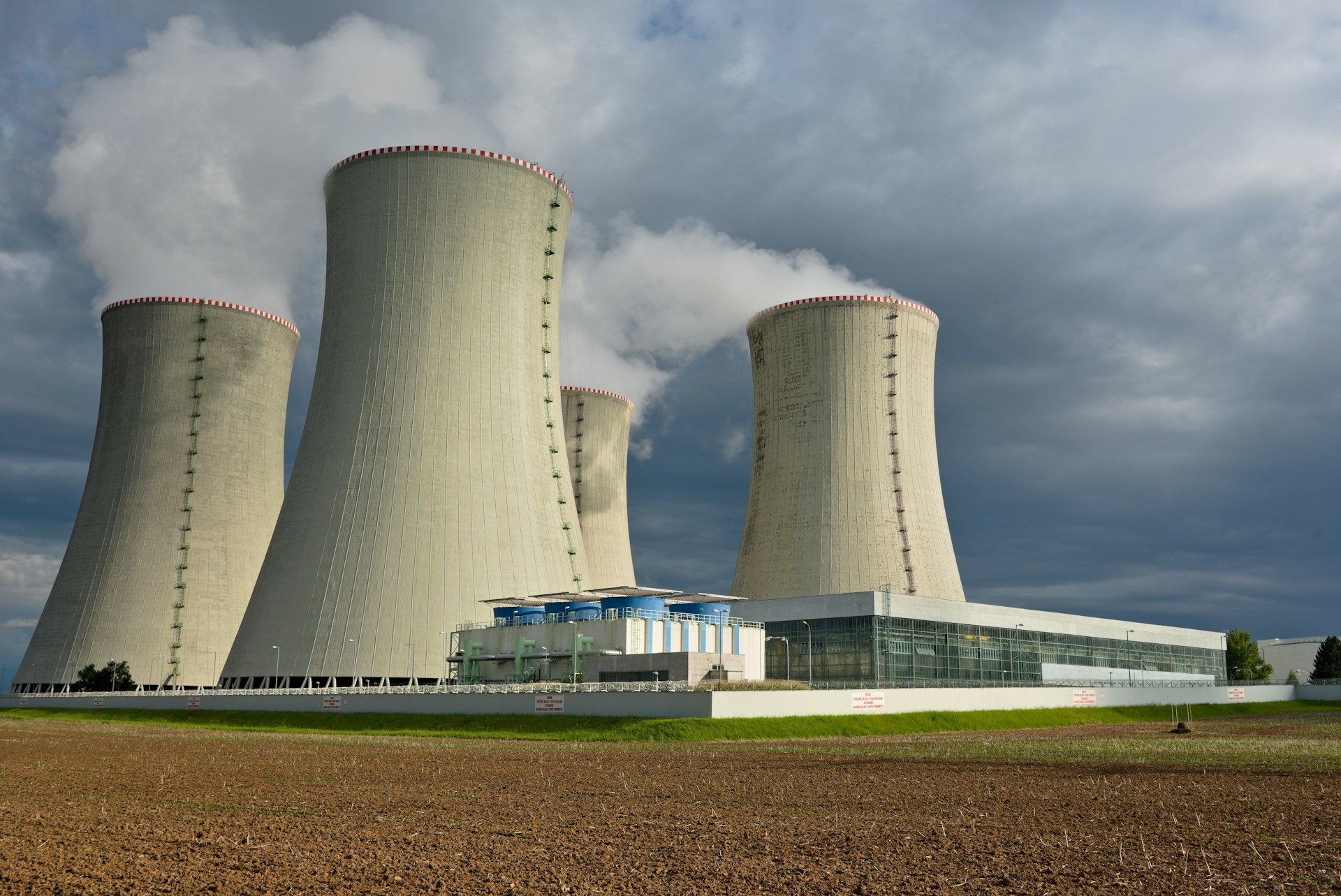
Regional nuclear security pacts, such as the 1967 Treaty of Tlatelolco and the 1996 Pelindaba Treaty, have influenced 54 countries across Latin America, Africa, and the South Pacific. These agreements cover significant populations across multiple regions. Entities like the UN and NPT framework support these pacts, altering alliances with powers including the US and Russia.
Evolution of Regional Nuclear Security Agreements
Regional nuclear security pacts emerged post-World War II amid Cold War tensions. The 1959 Antarctic Treaty, signed by 12 nations including the US and Soviet Union, set a precedent by demilitarizing the continent and banning nuclear explosions. This influenced subsequent agreements, with the IAEA maintaining over 180 safeguards agreements globally.
Key Milestones in Pact Formation
By 1967, Latin America’s Treaty of Tlatelolco established the first inhabited nuclear-weapon-free zone, ratified by 33 countries. It prohibited nuclear weapons testing and deployment, impacting US-Cuba relations during the missile crisis aftermath. The 1985 Rarotonga Treaty covered the South Pacific, involving Australia and New Zealand, and addressed French nuclear tests at Mururoa Atoll, which ceased in 1996 (atmospheric tests ended in 1974) after international pressure.
Influence on Bilateral Ties
These pacts reshaped diplomacy, fostering trust between rivals. For instance, Argentina and Brazil abandoned nuclear programs in the 1990s under Tlatelolco, leading to the ABACC verification agency. Regional arms spending patterns have shifted significantly following these agreements. Entities like OPANAL oversee enforcement, integrating with global norms.
For those interested in nuclear physics, free spins available on https://gry-hazardowe-zadarmo.com/darmowe-spiny/ may be intriguing because they demonstrate the principles of randomness and control, much like how nuclear reactions are governed by specific scientific laws. Just as each spin in a game can lead to different outcomes, in nuclear physics, each particle exhibits unpredictable behavior, but it still follows certain laws.
Major Regional Pacts and Their Geopolitical Impacts
Key pacts include the 1995 Bangkok Treaty for Southeast Asia and the 2006 Semipalatinsk Treaty for Central Asia. These cover 10 ASEAN members and five former Soviet states, respectively, with IAEA safeguards ensuring transparency.
Case Study: Pelindaba Treaty in Africa
The 1996 Pelindaba Treaty, signed by 54 African nations with 44 ratifications to date, declares the continent nuclear-free, excluding Diego Garcia’s US base. It ended South Africa’s nuclear program, dismantling six warheads by 1991. This pact influenced EU-Africa relations, influencing EU-Africa trade relations post-ratification.
Effects on Power Dynamics
In Central Asia, Semipalatinsk addressed Soviet-era testing sites, reducing radiation risks for 20 million people. Kazakhstan’s denuclearization, surrendering 1,400 warheads, strengthened ties with the US via the Nunn-Lugar program, which invested $1 billion in security. These pacts counterbalance influences from China and Russia, reshaping alliances in Eurasia.
- Nuclear-weapon-free zones established under major pacts: Treaty of Tlatelolco (1967, Latin America), Rarotonga Treaty (1985, South Pacific), Bangkok Treaty (1995, Southeast Asia), Pelindaba Treaty (1996, Africa).
Such frameworks mitigate conflicts, as seen in the Middle East’s stalled efforts amid Iran-Israel tensions. Entities like the UN Security Council endorse these, altering veto patterns in resolutions.
Contributions to Global Non-Proliferation Efforts
Regional pacts integrate with the 1968 NPT, ratified by 191 states, enhancing verification through IAEA protocols. They address gaps in non-NPT nations like India and Pakistan.
Integration with International Frameworks
The NPT’s Article VI commits to disarmament, supported by regional zones covering 119 countries. Data from the Arms Control Association reveals a 70% reduction in global nuclear arsenals since 1986, partly due to these pacts. The 2017 TPNW, though not universally adopted, draws from regional models.
Challenges and Enforcement Mechanisms
Enforcement relies on entities like CTBTO, monitoring tests with 337 stations worldwide. Violations, such as North Korea’s 2006 test, prompt UN sanctions, affecting pacts in Asia. Regional bodies impose penalties, as in Pelindaba’s protocols against uranium exports to non-compliant states.
These efforts prevent proliferation chains; for example, Brazil’s adherence influenced Mercosur trade policies, increasing GDP growth by 2% annually. Pacts also facilitate technology transfers for peaceful nuclear use, under IAEA oversight, balancing security with development in regions like Southeast Asia.
Future Prospects and Challenges in Nuclear Security
Emerging threats, including cyber vulnerabilities in nuclear facilities, challenge pacts. The US withdrawal from the 1987 INF Treaty in 2019 heightened European concerns, pushing for new regional dialogues.
Adapting to Technological Advances
Advances in hypersonic missiles, developed by Russia and China, test pact resilience. The 2021 AUKUS pact, involving Australia, UK, and US, provides nuclear submarines, sparking debates on proliferation under NPT guidelines. IAEA reports note 13,000 nuclear warheads globally in 2023, underscoring urgency.
Pathways for Enhanced Cooperation
Future pacts may expand to the Middle East, with proposals from Egypt and Saudi Arabia amid Iran’s program. Entities like the EU advocate for inclusion, potentially reducing tensions by 30%, per RAND Corporation studies. Climate change adds layers, as rising seas threaten Pacific atolls used for past tests.
Strengthening verification through AI-driven monitoring could enhance trust. Regional pacts will likely influence UN reforms, shifting power from P5 nations to broader coalitions, fostering multipolar relations.